Trading Log: How Professional Traders Track Every Trade for Long-Term Success
Ask a trader to describe their best trade from last month, and they'll usually give you a vivid, detailed answer.
We use cookies to improve your experience. By continuing, you agree to our Cookie Policy.
Insights, strategies, and science-backed psychology tips to help you trade smarter and stay disciplined.
Ask a trader to describe their best trade from last month, and they'll usually give you a vivid, detailed answer.
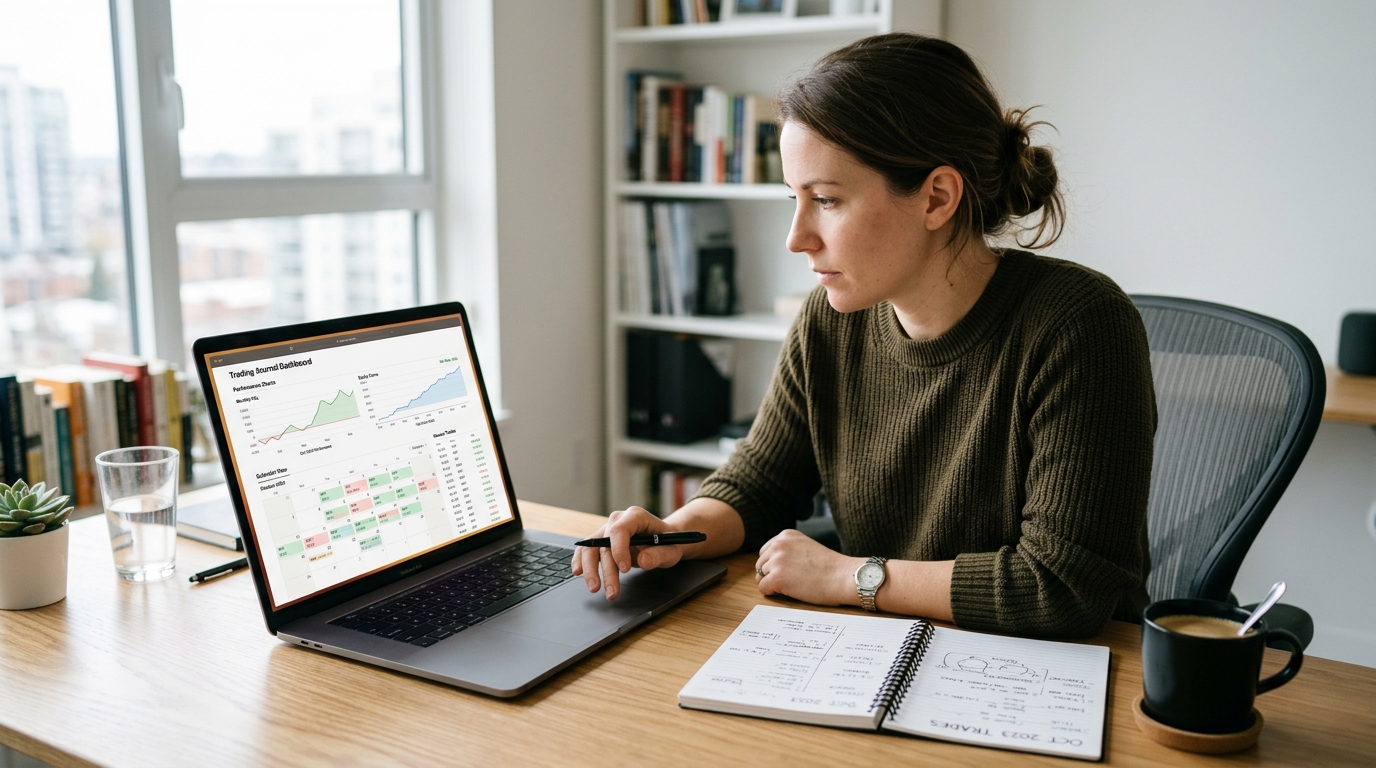
You don't need an expensive platform to start journaling your trades, and you shouldn't wait until you feel "serious enough" to begin.
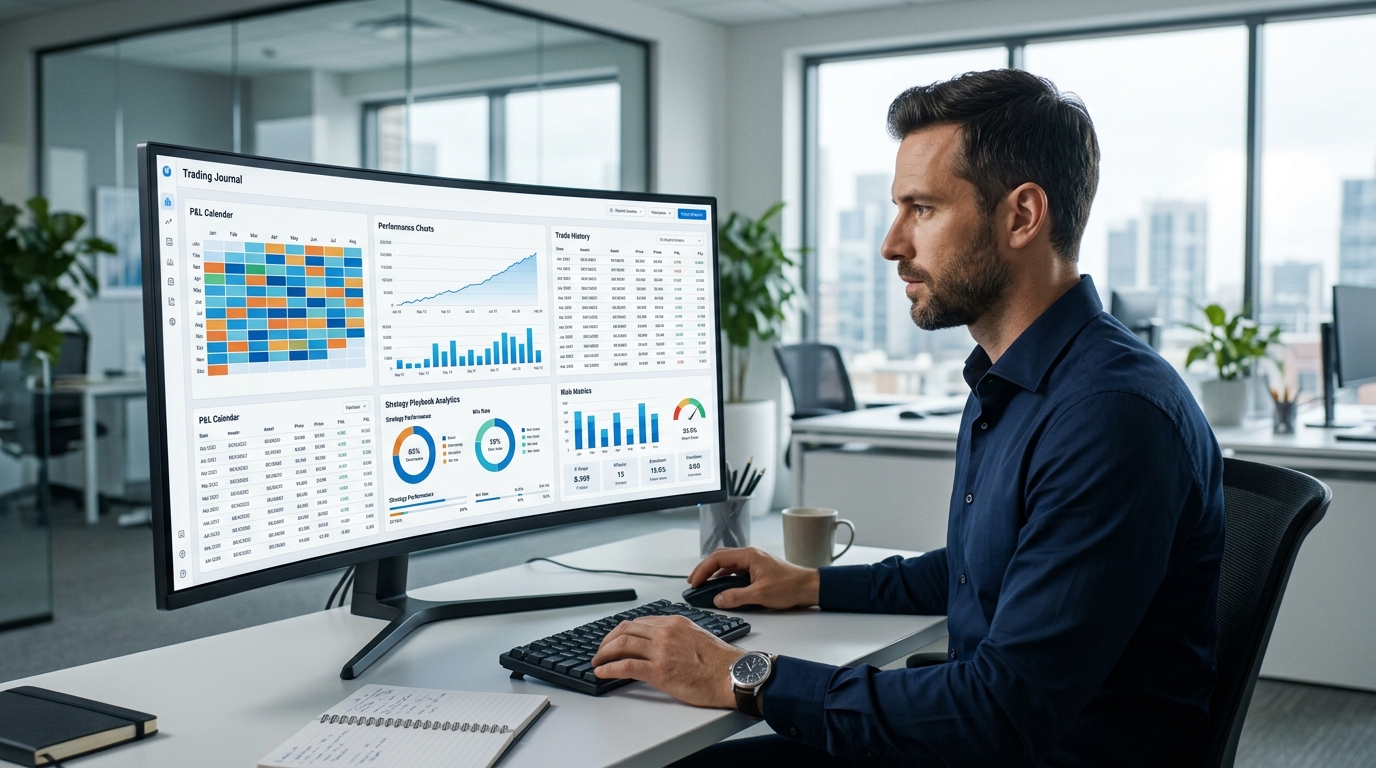
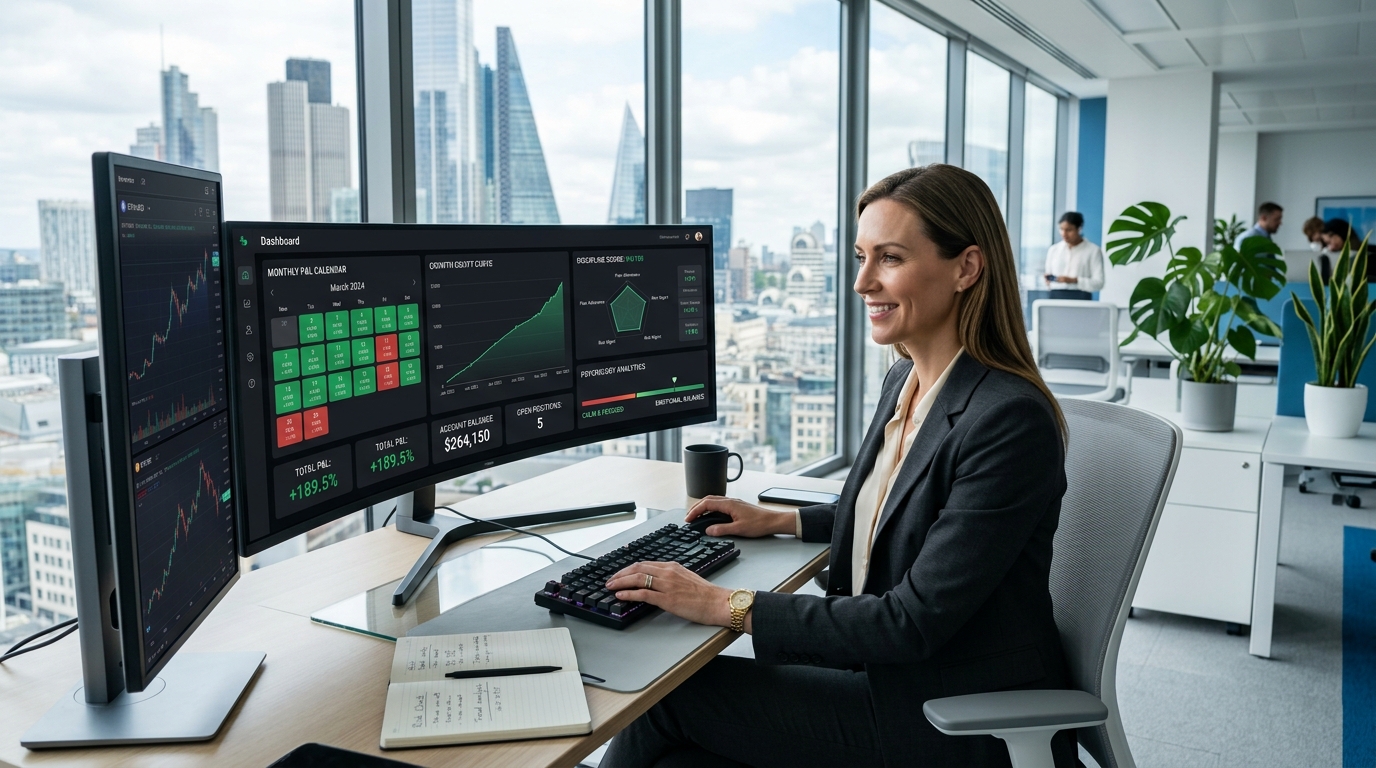
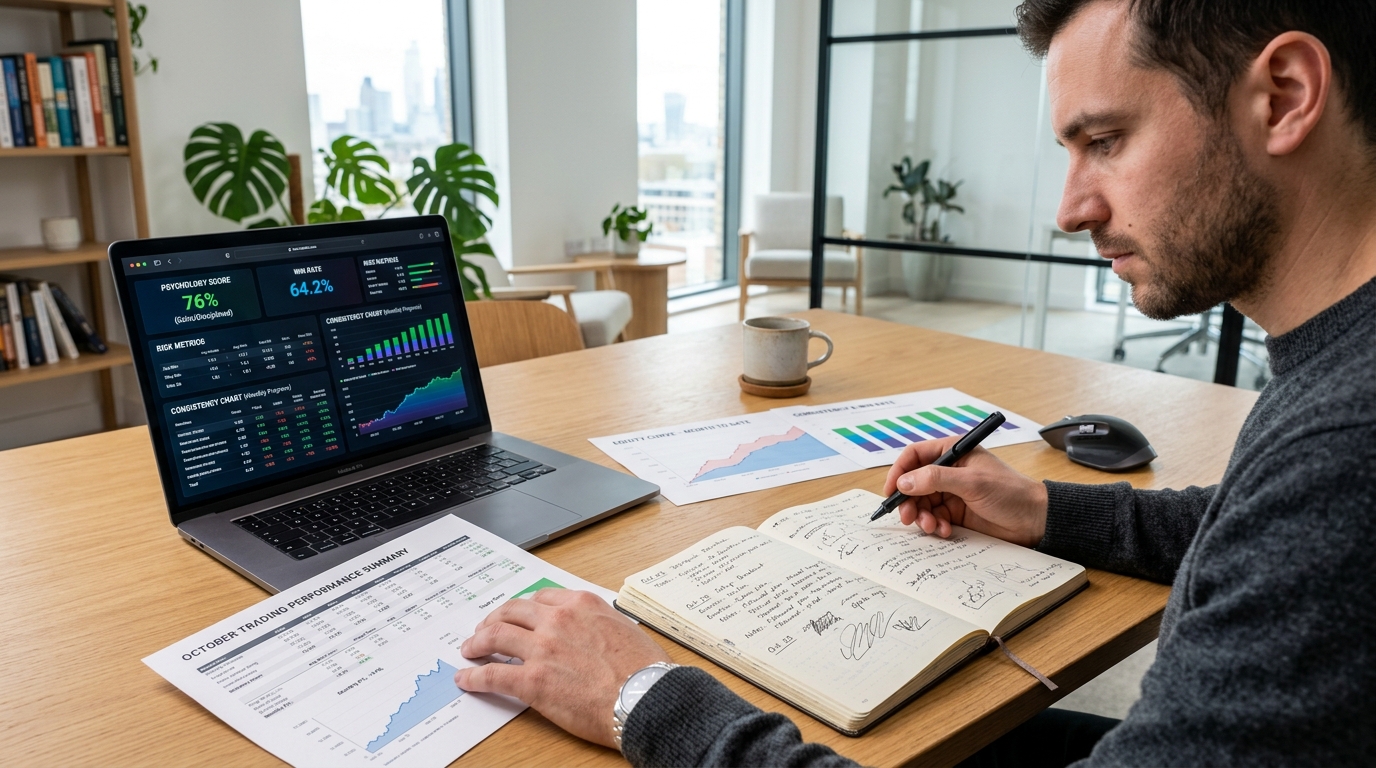
Digital trading journals have become the norm rather than the exception. Spreadsheets still work, but as trading volume grows, most traders eventually look for something that tracks statistics automatically, organizes trade history cleanly, and helps surface patterns that are easy to miss when scrolling through rows of manual data.
Most Forex traders spend years chasing a better strategy. They switch indicators, test new entry models, and follow different mentors, all while the actual variable holding them back never changes: their own process.
Ask any experienced trader what separates a good year from a bad one, and most won't point to a single winning trade. They'll point to their process.
Excel vs AI trading journal in 2026: compare features, psychology tracking, and automation to decide which fits your trading style best.
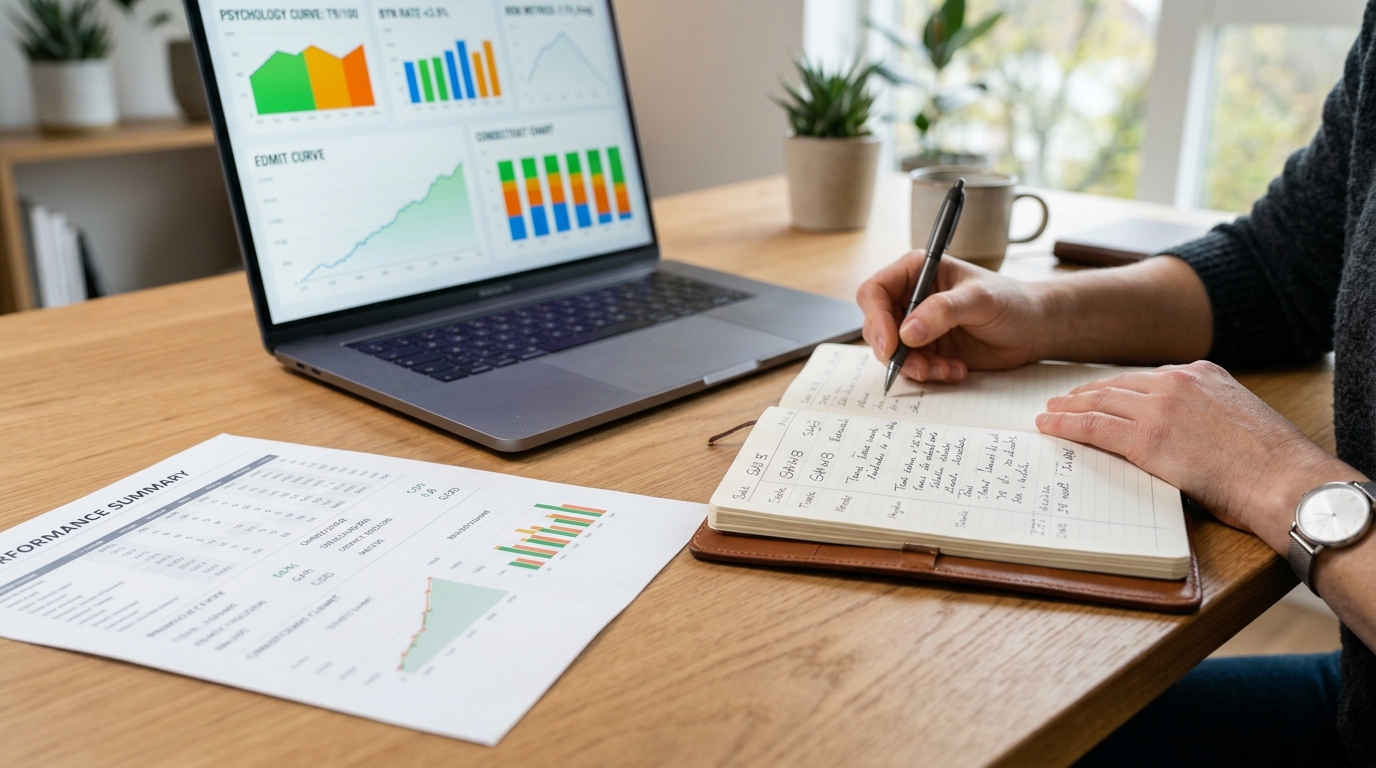
Every trader eventually runs into the same realization: their memory of their own trading is not reliable. The trade you remember as "a good setup that just didn't work out" often looks very different once you actually pull up the chart and your notes. This is the gap a trading journal is built to close.